
Get the chance to win €100 alongside trusted feeding advice, helpful tips and the latest deals and competitions straight to your inbox.

What do contractions feel like?
Like so many other aspects of pregnancy, every woman feels contractions differently. As your labour progresses, they will usually become more intense and frequent - it's how nature tells you your baby is on the way! Here are some pointers to tell you what they are and how to cope with them, but if you need more information, speak to your midwife or get in touch with our expert Careline team.
What causes contractions?
You feel a contraction when a hormone called oxytocin is released, making your womb contract. The result is a hardening and tightening of your womb that can push your baby's head down on your cervix and encourage it to open.
What do contractions feel like?
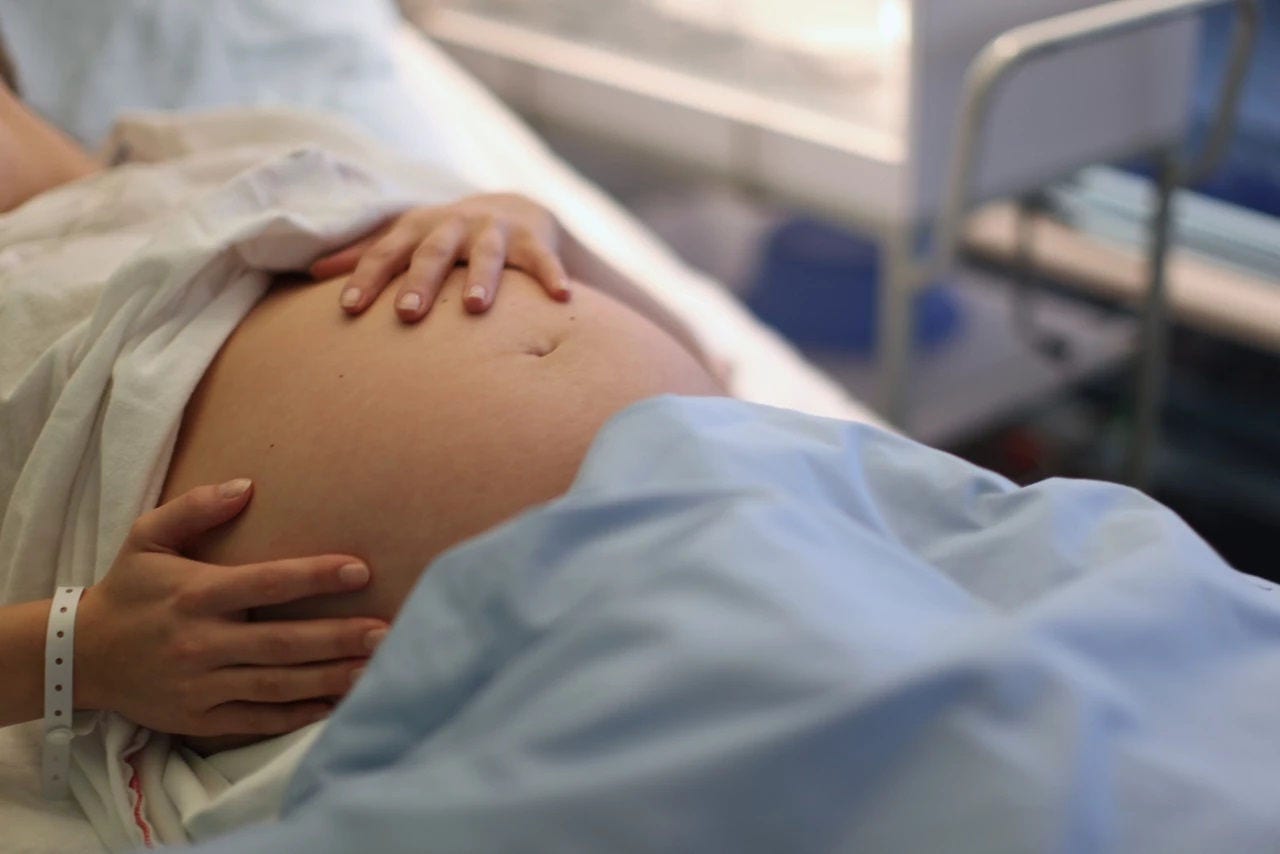
Women feel contractions differently, but early contractions generally begin as a cramp - similar to period pains, or a mild backache. Sometimes it will feel like a tight band around the top of your womb, which can be felt externally by placing a hand on your bump. Some women feel contractions most strongly in the back which is usually caused by their baby is facing a certain way (back to back).
Contractions, unlike Braxton Hicks, usually have a regular pattern and rhythm to them. As you get closer to giving birth the contractions will become more intense and closer together. Women often describe them being like a wave, with a peak at the height of contraction that then begins to ease.

Coping with contractions
During the first stages of labour, you may find that these contractions are still irregular, varying in frequency and duration. If all is well, you will likely be able to stay at home during this period, as this stage can last for varying lengths of time. There are lots of ways you can manage your discomfort at home; having a warm bath, drinking water, or massaging the area to help relieve the pain. The breathing techniques you learned at your antenatal classes will be very useful, and for a more high tech solution you could try a TENS machine - a clever little device that helps relieve pain by sending impulses through sticky pads attached to your stomach.
It is important to call your triage and keep them updated on how you are doing. When your contractions are coming more regularly and lasting for a consistent amount of time, you will be invited in and assessed by a midwife to see if it is time to stay in the hospital to await the birth of your baby. Sometimes you may be asked to return home again for a while to allow labour to establish, please don't be disheartened if this happens, it simply means you are still in the early stages of labour.
Once you're in hospital or birth centre and the contractions become stronger, you may want something else to help, such as gas and air, or another form of pain relief. By the second stage of labour you'll be concentrating on getting your little one in your arms.
If you'd like to know more about labour and birth, why not give our experts a call on 0800 977 8880 or ask us a question online, instantly, using WhatsApp (8am - 8pm Mon-Fri, 10am - 5pm Weekends) or Messenger (10am-10pm Mon-Sat, 10am-5:30pm Sun).

More from pregnancy


Pregnancy topics




Need free advice with a smile? Get in touch with our dedicated Care team.
Call Us
Call us on 0800 977 8880 (8am-8pm Mon-Fri, 10-5pm Sat)
FAQs
Get answers to your most frequently asked questions